Atjaunināt sīkdatņu piekrišanu

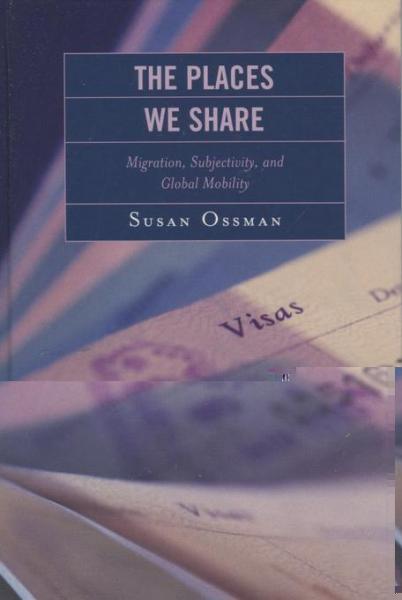
E-grāmata: Places We Share: Migration, Subjectivity, and Global Mobility

Contributions by , Contributions by , Contributions by , Contributions by , Contributions by , Contributions by , Contributions by , Contributions by , Contributions by , Edited by
Citas grāmatas par šo tēmu:
  • Formāts - EPUB+DRM
  • Cena: 52,60 €*
  • * ši ir gala cena, t.i., netiek piemērotas nekādas papildus atlaides
  • Ielikt grozā
  • Pievienot vēlmju sarakstam
  • Šī e-grāmata paredzēta tikai personīgai lietošanai. E-grāmatas nav iespējams atgriezt un nauda par iegādātajām e-grāmatām netiek atmaksāta.
Citas grāmatas par šo tēmu:

DRM restrictions

  • Kopēšana (kopēt/ievietot):

    nav atļauts

  • Drukāšana:

    nav atļauts

  • Lietošana:

    Digitālo tiesību pārvaldība (Digital Rights Management (DRM))
    Izdevējs ir piegādājis šo grāmatu šifrētā veidā, kas nozīmē, ka jums ir jāinstalē bezmaksas programmatūra, lai to atbloķētu un lasītu. Lai lasītu šo e-grāmatu, jums ir jāizveido Adobe ID. Vairāk informācijas šeit. E-grāmatu var lasīt un lejupielādēt līdz 6 ierīcēm (vienam lietotājam ar vienu un to pašu Adobe ID).

    Nepieciešamā programmatūra
    Lai lasītu šo e-grāmatu mobilajā ierīcē (tālrunī vai planšetdatorā), jums būs jāinstalē šī bezmaksas lietotne: PocketBook Reader (iOS / Android)

    Lai lejupielādētu un lasītu šo e-grāmatu datorā vai Mac datorā, jums ir nepieciešamid Adobe Digital Editions (šī ir bezmaksas lietotne, kas īpaši izstrādāta e-grāmatām. Tā nav tas pats, kas Adobe Reader, kas, iespējams, jau ir jūsu datorā.)

    Jūs nevarat lasīt šo e-grāmatu, izmantojot Amazon Kindle.

While some people study globalization, others live their lives as global experiments. This book brings together people who do both. The authors or subjects of these studies are of diverse national, religious, and ethnic backgrounds. What they have in common is a connection to Morocco. It is from this shared space that they draw on personal stories, fieldwork, and literary and linguistic analysis to provide a critical, socially reflexive response to the conceptions of culture, identity, and mobility that animate debates on migration and cosmopolitanism. On the trail of the Bedouin or Europe's new nomads and of Zaccarias Moussaoui Places We Share explores the relationship of mobility to subjectivity, and how physically moving can be a way of escaping the stigma of being an immigrant. Reading Rushdie, listening to Moroccan women converse in the UAE, or examining how the experience of serial migration can shape comparative ethnography we become more aware of how moving pushes us up against the limits of global experience. These limits must be recognized. They can be positively embraced to develop new ways of conceiving of ourselves, the world and our connections to others.

Recenzijas

This volume, edited by Susan Ossman, deals with issues of great importance and relevance for our era. In an era where there is a widespread preoccupation with the quantitative categorisation of migrants' personal or collective characteristics, this book offers a quite different perspective which gives emphasis to subjectivity, identity fluidity, representations of mobility and space, and culture. Overall, this book is a valuable resource offering an alternative perspective on migration. It makes for a wonderful read! -- Theodoro Iosifides * Journal of Ethnic and Migration Studies, July 1, 2009 * Because of the thematic...emphasis on Morocco, this collection will be of particular interest to social scientists working in the region, but it also makes a strong contribution to anthropology, the literature on migration, and critical media studies. Scholars of religion will find useful the essays demonstrating the complex facets of religious and cultural identity. The nuanced way many of the authors critique the notion of cosmopolitanism through lived experience is refreshing, and the diverse perspectives highlight the complex social positions of serial migrants in a world where movement among multiple cultures does not imply rootlessness but rather complex attachments to space and place. * MESA Bulletin *

Acknowledgments vii
Editor's Note on Transcriptions and Translations ix
Introduction 1(16)
Susan Ossman
The Power to Name and the Desire to be Named: State Policies and the Invisible Nomad
17(10)
Smain Laacher
Zacarias Moussaoui: Moroccan Muslim? French Terrorist? Benighted Zealot? War Criminal? Serial Migrant? All of the Above?
27(20)
Susan J. Terrio
From the Maghreb to the Mediterranean: Immigration and Transnational Locations
47(18)
Nabiha Jerad
Is It Possible to Be Both a Cosmopolitan and a Muslim?
65(12)
Nadia Tazi
A New Take on the Wandering Jew
77(20)
Shana Cohen
Errance, Migration, and Male Sex Work: On the Socio-cultural Sustainability of a Third Space
97(24)
Nick Mai
Moving into Morocco: A Cosmopolitan Turn in the Medina
121(22)
Justin McGuinness
Trilateral Touchstones: Personal and Cultural Spaces
143(18)
Evelyn A. Early
In Search of Tangiers' Past
161(12)
Leila Abouhouraira
Positioning the Self, Identity, and Language: Moroccan Women on the Move
173(14)
Fatima Badry
From Tribe to Virtual Tribe
187(14)
Abderrahmane Lakhsassi
Linked Comparisons for Life and Research
201(18)
Susan Ossman
Index 219(8)
About the Contributors 227


Susan Ossman is senior lecturer at Goldsmith's College, University of London.