Atjaunināt sīkdatņu piekrišanu

E-grāmata: Products, Users, and Popular Luxury in Early Modern Greece

  • Formāts - PDF+DRM
  • Cena: 50,08 €*
  • * ši ir gala cena, t.i., netiek piemērotas nekādas papildus atlaides
  • Ielikt grozā
  • Pievienot vēlmju sarakstam
  • Šī e-grāmata paredzēta tikai personīgai lietošanai. E-grāmatas nav iespējams atgriezt un nauda par iegādātajām e-grāmatām netiek atmaksāta.
  • Bibliotēkām

DRM restrictions

  • Kopēšana (kopēt/ievietot):

    nav atļauts

  • Drukāšana:

    nav atļauts

  • Lietošana:

    Digitālo tiesību pārvaldība (Digital Rights Management (DRM))
    Izdevējs ir piegādājis šo grāmatu šifrētā veidā, kas nozīmē, ka jums ir jāinstalē bezmaksas programmatūra, lai to atbloķētu un lasītu. Lai lasītu šo e-grāmatu, jums ir jāizveido Adobe ID. Vairāk informācijas šeit. E-grāmatu var lasīt un lejupielādēt līdz 6 ierīcēm (vienam lietotājam ar vienu un to pašu Adobe ID).

    Nepieciešamā programmatūra
    Lai lasītu šo e-grāmatu mobilajā ierīcē (tālrunī vai planšetdatorā), jums būs jāinstalē šī bezmaksas lietotne: PocketBook Reader (iOS / Android)

    Lai lejupielādētu un lasītu šo e-grāmatu datorā vai Mac datorā, jums ir nepieciešamid Adobe Digital Editions (šī ir bezmaksas lietotne, kas īpaši izstrādāta e-grāmatām. Tā nav tas pats, kas Adobe Reader, kas, iespējams, jau ir jūsu datorā.)

    Jūs nevarat lasīt šo e-grāmatu, izmantojot Amazon Kindle.

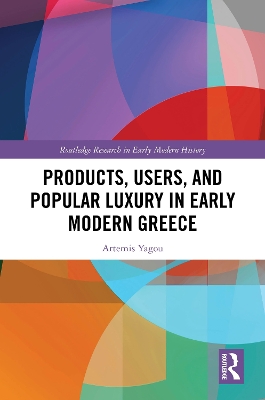
This book analyses aspects of the material culture of early modern Greece from an object-based perspective, using surviving artefacts from that period as primary sources.


This book analyses aspects of the material culture of early modern Greece from an object-based perspective, using surviving artefacts from that period as primary sources.

A printed book, a wine jug, an ecclesiastical embroidery, and a pocket watch are used as entry points to examine the consumer practices of the emerging Greek bourgeoisie under Ottoman rule in the long eighteenth century. The acquisition and usage of novel products – especially imported ones – by Greeks was connected to personal expression, identity building, and self-determination in the context of the Enlightenment. The enjoyment of innovative artefacts opened new horizons to them and facilitated their individual and collective empowerment. The originality of the book lies in its eclectic and interdisciplinary approach towards early modern Greek material culture, an under-researched topic. The study is embedded within contemporary discourses on transnational trade, the materiality of everyday life, pleasurable consumption, and the negotiation of identities.

This volume will appeal to students and scholars of early modern and modern Greek history, Ottoman history, European history, material culture, history of technology, museum studies, and cultural heritage studies, as well as museum professionals, collectors, and the wider educated public.

Introduction
1. A printed book from Venice: Reading and imagining
2. A wine jug from Pesaro: Drinking and connecting
3. A religious embroidery from Vienna: Believing and expressing
4. A pocket watch from England: Telling the time and experimenting
5. Creating new horizons

Artemis Yagou (PhD) is a historian of design and technology. She is Associate at the Research Institute for the History of Science and Technology of the Deutsches Museum (Munich). Her main interests are Greek material culture (18th21st centuries), the cultural history of technology, horology, and construction toys. Her previous publications include Fragile Innovation: Episodes in Greek Design History (2011) and the edited volume Technology, Novelty, and Luxury (2022). Her personal website is www.yagou.gr